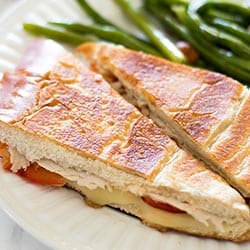
Easy Homemade Panini Without a Press: Skillet Secrets Revealed
Craving that irresistible combination of crunchy, golden-brown bread, warm, gooey cheese, and perfectly toasted fillings, but don't own a dedicated panini press? You are absolutely not alone! Many home cooks hesitate to make delicious hot sandwiches like panini because they believe a specialized appliance is essential. But what if we told you that the secret to achieving that cafe-worthy panino lies right in your kitchen, requiring nothing more than a trusty skillet and a bit of ingenuity? Get ready to unlock the simple, appliance-free method that will revolutionize your lunch and dinner routines, proving that
easy homemade panini without a panini press is not just possible, but incredibly delicious and surprisingly simple.
This isn't just about making do; it's about discovering a technique that delivers exceptional results every time. Forget cluttering your countertops with another gadget. With our skillet secrets revealed, you'll master the art of creating perfectly toasted sandwiches that are just as satisfying, if not more so, than their pressed counterparts. We’ll guide you through everything from selecting the right bread and fillings to mastering the pressing technique with everyday kitchen items. Prepare for a culinary revelation that makes delicious panini an accessible and frequent treat in your home.
Why Ditch the Press? The Skillet Advantage for Homemade Panini
For years, the panini press held a monopoly on homemade hot sandwiches, promising those iconic grill marks and perfectly flattened forms. However, the truth is, you don't need fancy equipment to achieve culinary perfection. The skillet method, in fact, offers several compelling advantages that make it a go-to for many home cooks:
*
No Specialized Appliance Required: This is arguably the biggest draw. Your existing cast-iron skillet, or any heavy-bottomed frying pan, is all you need. This saves counter space, cupboard space, and the initial investment of buying another kitchen gadget.
*
Effortless Cleanup: A panini press, with its intricate hinges and non-removable plates, can sometimes be a chore to clean. A skillet, on the other hand, is usually a breeze. A quick wipe down, and it's ready for its next culinary adventure. Less fuss means more time enjoying your meal!
*
Superior Heat Distribution: A good cast-iron skillet, in particular, offers excellent, even heat distribution across the entire surface of your sandwich. This ensures a consistent, golden-brown crust without hot spots, leading to a perfectly toasted exterior every time.
*
Taste Over Aesthetics: While a press provides those distinctive grill marks, the skillet method delivers an all-over, satisfying crispness that some argue provides a superior textural experience. The focus shifts from the visual "press marks" to the ultimate taste and crunch of the bread and the melty goodness within.
*
Quick and Efficient: Our skillet technique is remarkably fast. From assembly to plate, you're looking at about 10-15 minutes, making it an ideal choice for busy weeknights or a quick, satisfying lunch.
Ultimately, the skillet method for making
easy homemade panini without a panini press offers a practical, efficient, and equally delicious alternative to appliance-bound methods. It's about empowering you to enjoy gourmet hot sandwiches with minimal fuss.
Essential Tools for Your Skillet Panini Success
Before we dive into the step-by-step process, let's gather the simple tools and ingredients you'll need. The beauty of this method lies in its accessibility, utilizing items you likely already have on hand.
The Skillet
*
Cast-Iron Skillet: This is our top recommendation. Cast iron excels at retaining and distributing heat evenly, providing that perfect golden crust. Its weight also helps in the pressing process.
*
Heavy-Bottomed Frying Pan: If cast iron isn't available, a good quality, heavy-bottomed stainless steel or non-stick frying pan will also work well. The key is a pan that holds heat consistently.
The "Press" (Your Weight)
This is where your creativity comes into play. You need something heavy and heat-safe to mimic the top plate of a panini press.
*
Second Cast-Iron Skillet: If you have two skillets, especially one slightly smaller than the other, this is an excellent choice. Place the smaller skillet on top of your sandwich in the larger one.
*
Heavy Pot or Saucepan (filled): A sturdy saucepan or pot, filled with water, dried beans, or even a few cans of food, makes for an effective weight.
*
Heat-Safe Brick: Wrap a clean brick in aluminum foil for a consistent, flat weight.
*
Grandma's CorningWare or Ceramic Baking Dish: Any heavy, heat-resistant dish can work wonders.
*
Other Heavy Objects: Get creative! Just ensure whatever you use is stable and can withstand a bit of heat.
Ingredients for Your Perfect Panini
*
Hearty Bread: This is crucial. Thin sandwich bread won't hold up. Opt for robust options like ciabatta, French bread (baguette), sourdough, or even a thick-cut country loaf.
*
Melty Cheese: Provolone, mozzarella, Swiss, cheddar, Gruyère, Monterey Jack – anything that melts beautifully will do.
*
Your Favorite Fillings: Turkey, ham, roast beef, grilled chicken, salami, pepperoni. For veggies: sliced tomatoes, spinach, roasted red peppers, caramelized onions, mushrooms.
*
Spreads: Mayonnaise, garlic aioli, pesto, mustard, hummus, cream cheese, or a drizzle of balsamic glaze.
*
Oil or Butter: Olive oil or softened butter for crisping the outside of the bread.
Crafting Your Perfect Panini: A Step-by-Step Skillet Guide
With your tools and ingredients at the ready, let's assemble and cook your incredible press-free panini. Follow these steps for a deliciously crunchy, gooey experience every time.
1.
Prepare Your Ingredients: Slice your bread, cheese, meats, and vegetables. Have your spread ready. For best results, ensure your fillings aren't too bulky; thinner layers will heat through and press better.
2.
Assemble Your Sandwich: Lightly spread your chosen sauce or spread on the inside of both slices of bread. Layer your cheese, fillings, and then more cheese (cheese acts as a delicious "glue"). Remember not to overfill, as this can make pressing difficult and lead to uncooked interiors.
3.
Preheat Your Skillet: Place your main skillet (preferably the larger one if using two) over medium heat. Allow it to heat up for about 3-5 minutes. If using a second skillet or heavy pot as a weight, you might want to preheat that too by placing it on an adjacent burner or warming it gently on top of the main skillet for a minute. This ensures even cooking from both sides.
4.
Oil the Bread (or Skillet): Lightly brush the outside of your assembled sandwich with olive oil or softened butter. This is key for that golden, crispy crust. Alternatively, you can add a small amount of oil to the hot skillet before placing the sandwich.
5.
Place and Press: Carefully place your buttered/oiled sandwich into the hot skillet. Immediately place your heavy weight (the second skillet, filled pot, etc.) on top of the sandwich. Gently but firmly press down to flatten the sandwich slightly and ensure good contact with the hot surface.
6.
Cook the First Side: Let the sandwich cook for about 3-5 minutes, maintaining light pressure. The exact time will depend on your heat level and bread thickness. You're looking for a deep golden-brown crust and a good amount of melty cheese starting to peek out.
7.
Flip and Repeat: Once the first side is beautifully toasted, carefully remove the weight, flip the sandwich, replace the weight, and continue cooking for another 3-5 minutes until the second side is equally golden and the fillings are thoroughly heated and melty. For detailed guidance on achieving this, refer to our article on
Get Crunchy, Gooey Panini Sans Press: Simple Skillet Method.
8.
Serve Immediately: Once cooked to perfection, carefully remove the panini from the skillet. Transfer it to a cutting board, slice it in half (often diagonally for a classic look), and serve piping hot. For more tips on quick, appliance-free versions, explore
Quick Weeknight Panini: Appliance-Free Skillet & Weight Hack.
Flavor Combinations & Creative Twists for Your Homemade Panini
The beauty of making panini at home is the endless possibility for customization. Here are some ideas to inspire your next skillet creation:
*
Classic Turkey & Provolone: French bread, garlic aioli, sliced turkey, ripe tomatoes, and provolone cheese. A timeless favorite.
*
Caprese Delight: Ciabatta bread, fresh mozzarella slices, basil leaves, ripe tomato slices, and a drizzle of balsamic glaze or pesto.
*
Ham & Swiss with Dijon: Sourdough bread, thinly sliced ham, Swiss cheese, and a generous smear of Dijon mustard. A true bistro classic.
*
Roast Beef & Caramelized Onion: Sourdough or ciabatta, thinly sliced roast beef, provolone or Gruyère, and sweet caramelized onions.
*
Mediterranean Veggie: Whole wheat or ciabatta, hummus, roasted red peppers, spinach, feta cheese, and Kalamata olives.
*
Breakfast Panini: Scrambled eggs, cheddar cheese, bacon or sausage, all on your favorite bread.
*
Sweet Panini: Brioche or challah bread with Nutella and sliced bananas or berries. A delicious dessert or breakfast treat!
Don't forget to pair your panino with a simple side. A fresh green salad, a cup of your favorite soup, or some quick potato chips can complete the meal perfectly.
Creating
easy homemade panini without a panini press is not just a hack; it's a testament to simple, resourceful cooking. The skillet method delivers all the crunch, melt, and flavor you desire, proving that you don't need specialized equipment to enjoy cafe-quality hot sandwiches right in your own kitchen. By understanding the basic principles of heat, pressure, and quality ingredients, you can whip up incredibly satisfying meals in minutes, perfect for a busy weeknight or a relaxed weekend lunch. So, dust off that skillet, get creative with your fillings, and prepare to indulge in the simple joy of a perfectly toasted, gooey panino, made with love and a little kitchen ingenuity.